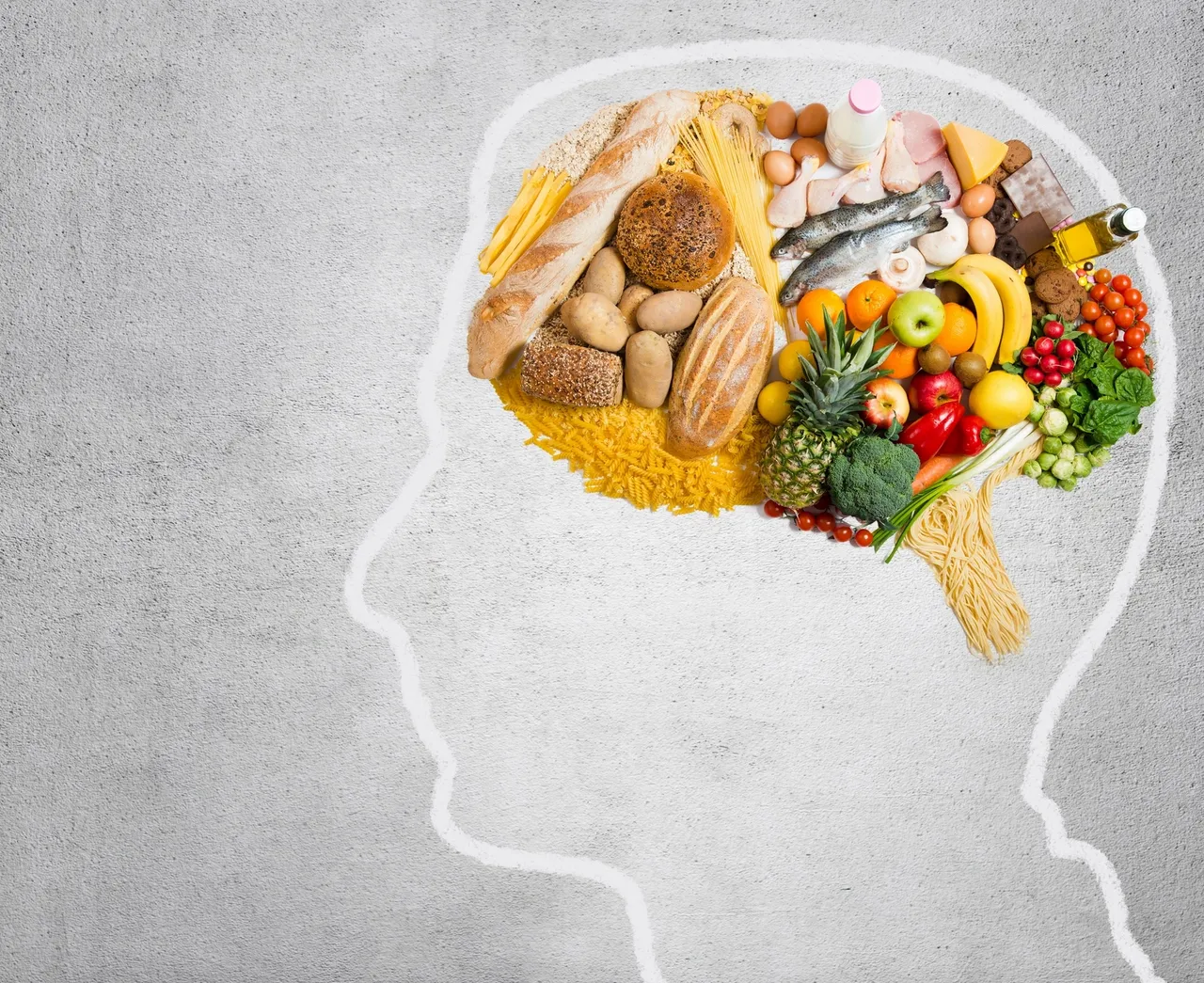
When we think about mental well-being, we often look to therapy, exercise, and mindfulness practices. However, did you know that what you eat can significantly impact your mood? In fact, nutrition plays a crucial role in how we feel, affecting everything from our energy levels to our emotional stability. Today, let’s explore how nutrition influences mood and what we can do to make better dietary choices for a happier mind.
The Brain-Gut Connection
Our digestive system and brain connect intricately through what scientists call the “gut-brain axis.” Essentially, this relationship means that gut health can greatly influence our mental state. When you eat a balanced diet rich in nutrients, you promote the growth of good bacteria in the gut, which in turn affects the production of neurotransmitters—chemicals that relay messages in the brain.
For example, serotonin, often dubbed the “feel-good” neurotransmitter, originates largely in the gut. Therefore, when your diet lacks essential nutrients, your body might produce lower levels of serotonin, which can contribute to feelings of anxiety and depression.
Nutrients that Matter
Let’s explore the key nutrients that support mental health:
Omega-3 Fatty Acids
Fish like salmon and flaxseeds contain healthy omega-3 fats that researchers have linked to lower rates of depression. Specifically, omega-3s help reduce inflammation and support the development of brain cells.
B Vitamins
Next, B vitamins, especially B12 and folate, play a vital role in how your brain produces neurotransmitters. By regularly eating foods like leafy greens, whole grains, and legumes, you can maintain optimal levels of these vitamins and support your mood.
Vitamin D
Additionally, many people call vitamin D the “sunshine vitamin” because it influences mood regulation. Researchers have associated low levels with feelings of sadness and depression. To support your emotional health, ensure you get enough sunlight and consume foods fortified with vitamin D.
Antioxidants
Furthermore, fruits and vegetables, particularly berries, nuts, and dark chocolate, contain antioxidants that help combat oxidative stress and inflammation. This matters because inflammation increasingly appears as a contributor to mood disorders.
Complex Carbohydrates
Finally, whole grains, beans, and vegetables can boost serotonin production. Unlike simple carbohydrates, which can lead to mood spikes and crashes, complex carbohydrates provide a steady release of energy and help stabilize blood sugar levels.
Creating a Mood-Boosting Diet
Now that we understand which nutrients matter, here are some practical tips for creating a diet that prioritizes whole, nutrient-dense foods:
Focus on Whole Foods
First and foremost, fill your plate with colorful fruits, vegetables, whole grains, lean proteins, and healthy fats. In contrast, processed foods often contain additives and sugars that can trigger mood swings.
Stay Hydrated
Next, remember that dehydration can cause fatigue and irritability. To prevent this, make sure you drink plenty of water throughout the day to keep both your body and mind functioning optimally.
Plan Regular Meals
Additionally, keeping your blood sugar stable is essential for mood management. To achieve this, try to eat small, balanced meals throughout the day to maintain energy levels.
Practice Mindful Eating
Moreover, pay attention to how different foods make you feel. Consider keeping a food diary to identify patterns between what you eat and your mood, thus allowing you to make informed dietary choices.
The Takeaway
The link between nutrition and mood matters significantly, and it’s clear that what we eat can profoundly influence our mental health. By consistently incorporating balanced meals and nutrient-rich foods into our daily lives, we can support not just our physical health but our emotional and mental well-being as well.
Remember this: making small, sustainable changes to your diet can lead to big improvements in your mood and overall quality of life. So, the next time you’re feeling down, consider reaching for a handful of nuts or a bowl of leafy greens instead of comfort junk food. Ultimately, your body—and mind—will thank you!
Initial Post May 12, 2025